



Blog
Composite Veneers Staining: Causes, Prevention, and What You Can Do About It

Composite veneers have gained popularity in recent years as a more affordable and less invasive alternative to porcelain veneers. These versatile restorations can transform your smile by covering discoloured teeth, closing gaps, reshaping misaligned teeth, and even repairing a chipped tooth. But despite their advantages, one concern many patients encounter is composite veneers staining over time.
In this article, we’ll explore what causes composite veneers to stain, how they compare to other types of dental veneers, and most importantly, how to keep your veneers looking fresh and bright with good dental care practices. If you’re considering composite veneers or already have them, this guide will help you understand how to maintain their appearance and preserve your beautiful smile.
What Are Composite Veneers?
 Composite veneers, also referred to as composite resin veneers or resin veneers, are thin layers of composite material bonded directly onto the tooth surface. The material used is similar to what’s found in dental bonding, a tooth-coloured resin that is shaped and polished to resemble natural tooth enamel.
Composite veneers generally come in two forms:
- Direct composite veneers: Applied and sculpted chairside in a single appointment.
- Indirect composite veneers: Created in a dental laboratory before being bonded to prepared teeth using dental adhesive.
Both options can produce stunning results. However, they do come with one significant drawback compared to porcelain veneers: they’re more susceptible to discolouration and surface staining.
Why Does Composite Veneers Staining Happen?
Unlike porcelain veneers, which are highly stain-resistant, composite dental veneers are made from a porous resin material that can absorb pigments over time. The resin’s surface may also develop tiny micro-abrasions or wear patterns, making it easier for staining foods and drinks to take hold.
Common causes of stained veneers include:
- Pigmented foods and drinks: Coffee, tea, red wine, berries, tomato sauce, soy sauce, and curry are among the top culprits.
- Tobacco use: Smoking or chewing tobacco can cause severe discolouration in both natural teeth and veneers.
- Inadequate oral hygiene: Without regular brushing, flossing, and professional cleanings, food particles and plaque build-up contribute to staining.
- Abrasive dental products: Toothpastes with harsh abrasives may wear down the smooth surface of the veneer, making it more prone to stains.
- Age and wear: Over time, even well-maintained composite veneers may dull or yellow slightly due to gradual exposure to everyday wear and foods and drinks.
Composite Veneers vs Porcelain Veneers: Staining and Longevity
Understanding how composite resin compares to porcelain is important if you’re choosing between the two. While both can enhance your smile, they differ in key areas that affect their long-term appearance, especially when it comes to staining.
Here’s what to consider:
- Material: Composite veneers are made from a resin-based material, while porcelain veneers are crafted from a high-strength ceramic.
- Stain resistance: Composite veneers tend to stain more easily because their surface is naturally more porous. Porcelain veneers, on the other hand, are far more stain-resistant thanks to their smooth, glazed finish.
- Lifespan: With proper care, composite veneers typically last around 5 to 7 years. Porcelain veneers tend to last much longer, often 10 to 15 years.
- Cost: Composite veneers are usually more affordable than porcelain options.
- Repairability: Composite veneers are easier to repair if they chip or crack. Porcelain veneers usually need to be replaced if damaged.
- Application Process: Composite veneers, particularly direct ones, can often be completed in one visit. Porcelain veneers and indirect composites generally require at least two appointments.
While porcelain veneers hold their colour well over the years, resin veneers can begin to show surface stains much sooner, especially if exposed to pigmented foods and drinks or not maintained with proper dental care. Choosing the right material depends on your lifestyle, budget, and long-term expectations.
Are Stained Composite Veneers Permanent?
 In some cases, composite veneers staining can be managed with polishing or professional cleanings performed by your dentist. These techniques can help remove surface stains and restore some of the veneer’s original brightness.
However, deep internal stains within the resin material may be more difficult to treat. That’s why prevention through proper oral hygiene and dietary habits is crucial. In severe cases, replacement may be the only way to regain a brighter appearance.
How to Prevent Staining on Composite Veneers
To prevent staining on composite veneers so you can keep on having your bright smile, please follow these instructions
1. Practise Good Oral Hygiene
The most effective way to prevent staining is by maintaining consistent and thorough oral hygiene. This includes:
- Regular brushing: At least twice daily with a soft-bristled toothbrush and a gentle, non-abrasive toothpaste.
- Flossing daily: To clear away food debris and plaque that collects between teeth and near the veneers.
- Mouthwash: Use alcohol-free mouthwash to avoid drying the mouth and damaging the composite material.
2. Be Cautious With Staining Foods and Drinks
Frequent exposure to dark-coloured foods and drinks can stain both natural teeth and veneers. Try to limit or avoid:
- Coffee, tea, red wine
- Berries and beetroot
- Curry, soy sauce, and balsamic vinegar
- Colas and dark soft drinks
Brush your teeth or rinse with water shortly after consuming foods with strong colouring, or use a straw to minimise contact with your teeth.
3. Schedule Regular Dental Check-Ups
Routine visits to your dentist are vital, not only to support your overall oral health but also to help maintain the cleanliness and condition of your veneers. During regular dental check-ups, your dentist can:
- Identify early signs of staining veneers
- Perform professional cleanings
- Polish the composite veneer surface to improve brightness
Can You Whiten Composite Veneers?
Many patients ask whether it’s possible to whiten veneers, especially if they’ve started to discolour. Here’s the truth:
Teeth whitening treatments, especially professional teeth whitening treatments, are highly effective on natural tooth enamel but not on composite resin. Whitening agents do not change the colour of resin once it has been cured.
However, some dentists offer polishing techniques that can help remove surface stains and make stained veneers look better. If that’s not enough, replacing your old veneers with new veneers may be recommended.
How to Whiten Stained Veneers (If Possible)
If your composite resin veneers are starting to show signs of discolouration, the following options may help:
Polishing and Recontouring
Your dentist may be able to buff the surface of the veneer using a fine polishing tool, which removes micro-roughness and superficial stains.
Composite Refresh
Some dentists can apply a new thin layer of resin to the tooth surface, essentially “refreshing” your veneers without full replacement.
Full Replacement
If your veneers are deeply stained or worn, the best solution may be to remove and replace them with new veneers, either direct veneers or indirect composite veneers, depending on your situation.
Foods and Habits That Accelerate Veneer Discolouration
Certain crunchy foods or highly pigmented sauces can do more than stain; they can damage the surface of composite dental veneers, making them even more prone to staining later.
Try to avoid:
- Constant snacking throughout the day (keeps acids on the teeth longer)
- Hard or crunchy foods that may wear or chip the thin shells
- Smoking or using nicotine-based products
- Letting staining agents linger on teeth (e.g. sipping drinks slowly over hours)
The Role of Dental Products in Composite Veneers Staining
Dental products can vary widely in how they affect your veneers. Some may actually worsen composite veneers’ staining by being too harsh or abrasive.
Avoid:
- Whitening toothpastes with harsh abrasives
- Baking soda or charcoal powders
- Stiff toothbrushes
Instead, choose:
- Fluoride-based, non-abrasive toothpaste
- A soft-bristled toothbrush
- Dentist-recommended gels designed for composite material
What About Temporary Veneers?
Patients who wear temporary veneers while waiting for final restorations (especially with indirect composite veneers or porcelain veneers) should know that these are even more prone to staining.
While they’re not permanent, it’s still wise to:
- Minimise exposure to coffee, tea, and other staining foods
- Keep up regular brushing
- Avoid smoking or pigmented mouthwashes
Addressing Discoloured Teeth Beneath Veneers
In some cases, the natural tooth beneath the veneer may be darker or discoloured. This discolouration can sometimes show through the veneer, particularly if the thin layers of composite were not designed to fully mask it.
This is another reason why ongoing dental health is important. Taking care of problems such as gum disease or decay early on helps maintain the look of your veneers and natural teeth.
When to Consider Professional Help
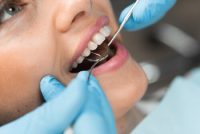 If you notice that your resin veneers have started to dull, yellow, or develop noticeable stains, book an appointment with your dentist. They can evaluate:
- Whether the issue is surface-level or internal
- If polishing or minor adjustments will help
- Whether replacement is the best option for aesthetic or functional reasons
Summary: Key Tips to Prevent Composite Veneers Staining
To keep your composite veneers looking their best:
- Practise good oral hygiene every day
- Opt for a gentle toothpaste without abrasives and pair it with a toothbrush that has soft bristles.
- Minimise staining foods like coffee, tea, red wine, and soy sauce
- Brush your teeth or rinse your mouth promptly after eating strongly coloured foods.
- Make sure to see your dentist routinely for check-ups and thorough professional cleaning.
- Don’t rely on whitening treatments since they don’t work on resin
- Consider replacement when polishing no longer helps
- Take care of both your veneers and your natural teeth to maintain your overall oral health
Final Thoughts
While composite veneers staining can be frustrating, it’s not always irreversible. With the right habits and consistent dental care, you can extend the life of your veneers, keep them clean, and ensure a lasting, beautiful smile.
If you’re concerned about composite veneers staining or want long-lasting results that keep your smile bright, book a consultation with us at Northern Beaches Dental or call (07) 4803 0078. Our team is here to support your smile with tailored care and honest advice.
Resources
Brennan, R. (2023). ‘Teeth Bonding’. WebMD, 2 April. New York, NY: WebMD. https://www.webmd.com/oral-health/dental-bonding
Cleveland Clinic Staff. (2022). ‘Oral Hygiene’. Cleveland Clinic, 21 April. Cleveland, OH: Cleveland Clinic. https://my.clevelandclinic.org/health/treatments/16914-oral-hygiene